
How to Lower Electricity Costs in an All-Electric Home
If you’ve upgraded your home with one of the many electric options available to homeowners, like heat pumps, installed a tankless water heater, added an EV charger in the garage, or made the switch to all-electric living, you’re not alone. Many Sonoma County homeowners are choosing cleaner, more efficient electric systems to replace aging gas appliances.
But then the PG&E bill arrives.
You made smart upgrades. So why does it feel like your utility costs went up?
Let’s break it down, and more importantly, let’s talk about how to fix it by locking in your energy costs for the next two decades with solar panel installation.
Why All-Electric Homes Often See Higher PG&E Bills
Heat pumps, tankless water heaters, and EV chargers are highly efficient technologies. In many cases, they’re more efficient than the gas systems they replace. But they run on electricity, and in Sonoma County, electricity is getting more expensive by the year.
The transition to an all-electric home will put other energy costs behind you, like natural gas, propane, or oil. But they will be absorbed by your electricity bill, with higher efficiency.
Do Heat Pumps Increase Electric Bills?
Possibly, depending on how you use them and what you’ve used to heat your home previously.
Heat pumps are far more efficient than traditional electric resistance heating. But if you previously heated your home with natural gas, switching to a heat pump shifts that energy cost entirely onto your electric bill.
So your electricity usage increases, sometimes significantly, especially during colder months in Santa Rosa, Petaluma, Windsor, and surrounding areas.
The same applies in summer when your heat pump is cooling your home during those 90+ degree heat waves.
How to Lower Your Electric Bill with a Heat Pump
Use programmable thermostat settings
Shift usage to off-peak hours
Improve the insulation and air seal of your home’s building envelope
Seal any ductwork
Upgrade to smart controls/thermostats
How Much Does an EV Charger Increase Your Electric Bill?
If you’ve recently added an electric vehicle to your all-electric home, you may have noticed your PG&E bill climb, sometimes more than expected.
So, how much does EV charging actually increase your electric bill?
Let’s look at real numbers.
Most EVs use about 3 to 4 miles per kilowatt-hour (kWh). If you drive:
1,000 miles per month
Your EV will use roughly 250–333 kWh per month.
At PG&E’s current residential rates, last year averaging $0.27 per kWh depending on your rate plan and time of use, that translates to:
$67 to $90 per month in additional electricity costs.
Drive more — say 1,500 miles per month — and you’re looking at:
375–500 kWh per month
Or about $100 to $135 per month
That’s $800 to $1,600+ per year to fuel your vehicle. Still cheaper than gas? Absolutely.
Level 1 vs. Level 2 EV Charging: Does It Change the Cost?
Many homeowners ask whether the type of charger affects their electric bill.
Level 1 Charging (120V outlet):
Plugs into a standard household outlet
Adds about 3–5 miles of range per hour depending on the vehicle
Less efficient overall due to longer charging times
Often runs longer into higher-rate peak periods
Level 2 Charging (240V outlet):
Requires a dedicated 240V circuit
Adds 20–30+ miles of range per hour
More efficient overall (less energy loss during charging)
Easier to schedule during off-peak hours
How much you pay for that electricity is entirely dependent on PG&E, but Level 2 charging is generally more energy efficient and gives you better control over when you charge. That means you’re less likely to spill into expensive peak-rate hours.
Regardless of which charger you use, the electricity has to come from somewhere, and at today’s PG&E rates, that somewhere is expensive.
Solar: The Missing Piece for All-Electric Homes
If you’re living in an all-electric home, solar isn’t just a “green” upgrade. It’s financial protection.
Instead of buying every kilowatt-hour from PG&E at retail rates, you generate your own power right on your roof (or with a ground mount if your property is a better fit).
That means:
Your heat pump runs on your power
Your heat pump water heater runs on your power
Your EV charges from your power
And as PG&E raises rates again and again, your cost per kilowatt-hour stays stable.
Turning Rising Utility Bills Into Long-Term Savings
Many homeowners in Sonoma County are shocked when we show them the long-term math.
An all-electric home without solar can easily spend $200,000–$250,000+ on electricity over 25 years at projected PG&E rate increases.
With properly designed solar, instead of “managing” a rising bill, you’re locking in a stable, predictable energy investment.
What About Solar Batteries?
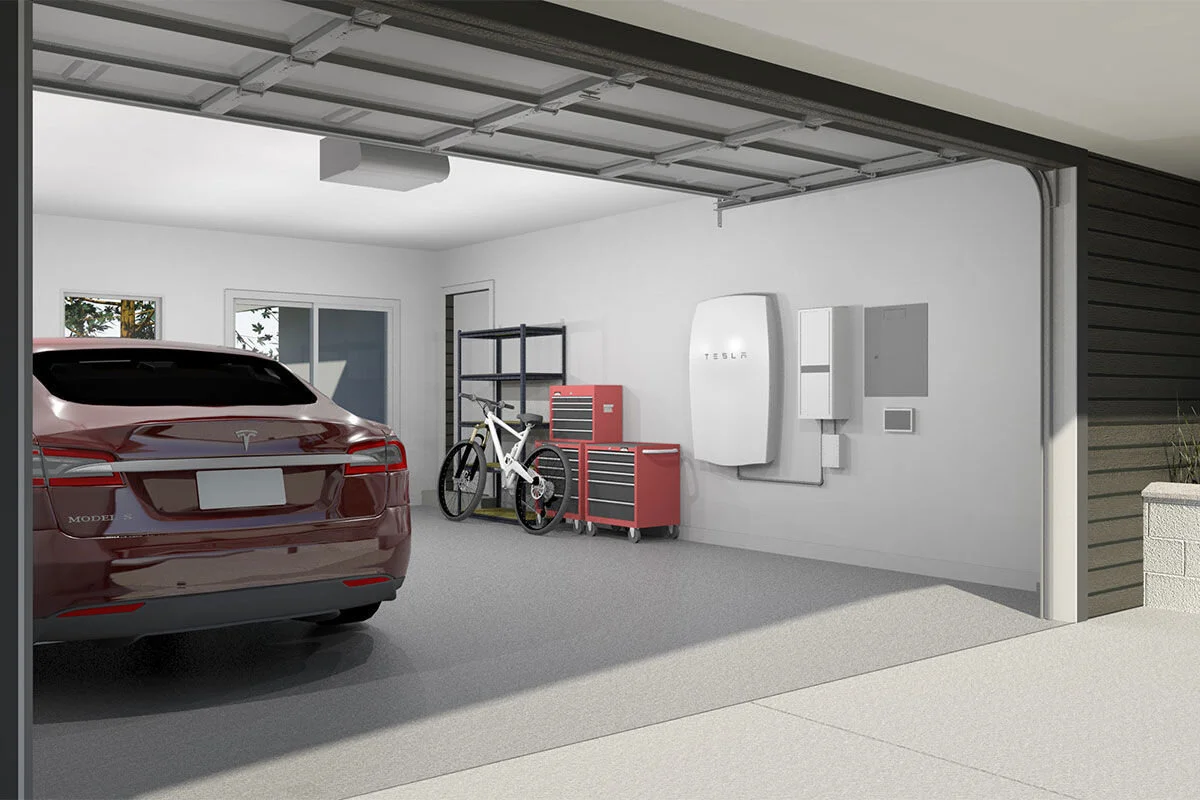
In Sonoma County, this is especially important. With wildfire season, Public Safety Power Shutoffs, and grid instability, pairing solar with a Tesla Powerwall provides:
Backup power during outages
Protection from peak-rate pricing
More control over when and how you use your energy
As a Tesla-certified Powerwall and Franklin WH installer, Taylor Energy designs systems specifically for homes with higher electric loads, like heat pumps and EV charging. The reality of NEM 3.0 in California means that the financial value of your solar system is tied directly to your ability to use the power when PG&E's Time-of-Use (TOU) rates are highest, typically in the late afternoon and evening. This is why battery storage is no longer just for backup; it’s the core driver of evening out your electricity costs. By pairing your solar with a quality battery, you can charge your battery during the day, avoid buying expensive power from PG&E during those peak TOU windows, and effectively offset the increased electrical load from your heat pumps and EV charging, turning volatile bills into a stable, strategic investment.
Why Proper System Design Matters in All Electric Homes
All-electric homes require careful planning when it comes to adding solar, including:
Accurate load calculations
Panel layout optimized for production
Proper inverter sizing
Battery capacity matched to usage
Consideration of future load growth
This is not the place for a lowball bid or a rushed install.
With over 15 years in business and more than 750 installations throughout Sonoma County, our team knows how to design systems that actually offset your usage, without cutting corners.
We’re not a big national corporation. And we’re not a fly-by-night installer chasing volume.
We’re a local company that has our process dialed in, stands behind our work, and supports the community we live in.
Let’s Take a Look at Your Home
Every home in Santa Rosa, Petaluma, Sebastopol, Windsor, and the surrounding areas is different. The best first step is a free solar assessment. We’ll review your past PG&E bills, look at your electric upgrades, and design a system that fits your goals, whether that’s bill reduction, energy independence, backup power, or all three.
Residential Solar

Get a free estimate for residential solar panel installation in Santa Rosa, Petaluma, Sebastopol, and surrounding areas. We are a Tesla Powerwall Certified Installer!
Rebates & Incentives
Save on your solar panel and solar battery installation with California solar incentives. Schedule a free solar consultation with Taylor Energy to learn more about the incentives you’re eligible for.
Commercial Solar

Cut operating costs and increase profit margins with commercial solar panels. Schedule your free commercial solar consultation with Taylor Energy today. We can help you find a solar solution that works for your business.